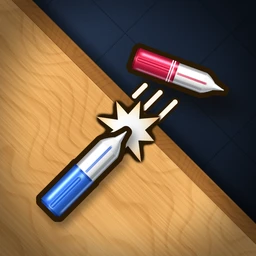
Pen Fight
The back-bench pen fight, on a phone.
Flick your pen. Knock theirs off the desk. A game almost every Indian kid played at school, rebuilt for phones, from a blank page to Google Play in one week. I led the product and the design, tested it with real people and built it with AI.
- Role
- Product owner and designer
- Platform
- Android · Flutter
- Store
- Google Play
- Built with
- AI
A brainstorm on 9 October. Approved on Google Play on 16 October.
Physics, the computer opponent, every screen and all the art, built for this game.
Share 5 letters on WhatsApp and play the same desk on two phones.
Every big change started with someone playing it: me, or a tester.
One week, idea to Google Play.
Every day ended with something I could hold and play.
- 9 Oct Day 1
Idea and prototype
- Brainstorm and market research
- 8 one-day game ideas, then my pen-fight idea
- A playable HTML desk
- 2,000 simulated rounds to fix the balance
- First test on my phone
- 10 Oct Day 2
Real people, real fixes
- 3 people play it, 3 gaps found
- A ladder, a coach and a nostalgia pass
- “It looks cheap”, so a premium look
- Classrooms, coins, pens, names
- Rebuilt as a native Flutter app
- 11 Oct Day 3
Art and accounts
- Painted art, made offline
- A new icon and an opening intro
- Sign-in, cloud save and a leaderboard
- Testers' feedback: whose pen is whose
- 12 Oct Day 4
Play a friend online
- A welcome screen and My Profile
- Friend matches with a 5-letter code
- 14 Oct Day 6
A real crash, fixed
- Crash reports caught a sound error on my own phone
- Fixed the same day
- 15 Oct Day 7
Safe to ship
- A security check, and every issue fixed
- An age check for younger players
- Privacy policy online
- Submitted to Google Play
- 16 Oct Day 8
On Google Play
- Approved by Google
- Live on Google Play, players giving feedback
What one week made.
How it was made, step by step.
From a product question to a game on Google Play.
A shared school memory, with no fair way to play it on a phone.
Adults who grew up in Indian classrooms share one memory: the back-bench pen fight. Two pens, one desk, one flick at a time.
The goal: a mobile version that feels nostalgic, is fair to both players and can be learned in one flick.
It started with a product question, not a design task.
Some very simple games spread on their own. Which ones, and why? I asked the AI to research the game industry the way a product manager would.
If a stranger gets the game from a silent 5-second clip, it can spread by itself.
Block puzzles, merging, sorting, physics fails, daily shared puzzles and more. Each with why it spreads.
Trigger, action, reward, investment. Useful, so I also set a limit: no tricks that work against the player.
Most hit games are a familiar mechanic with a fresh theme.
Every mechanic already existed. So: is there a desi version?
A market check on each idea we could build in one day.
Eight ideas. One built. Then my own.
Chai Stack was built as a single HTML file in about ten minutes: a clay cup slides, you tap to drop it, the overhang breaks off. It played fine, but it didn't hold me.
So I brought my own idea: the back-bench pen fight. Almost everyone who went to school in India played it, and it's naturally a game for two people on one desk.
Playable in minutes. Then my thumb found the flaw.
One HTML file, so I could play it at once on my Mac, then on my phone over home Wi-Fi.
Playing it, I saw the problem: whoever shot first with full power won, every time. The AI measured it before changing anything: 2,000 simulated rounds, and a full-power shot won 99% of them.
Three people played it. Each found a different gap.
I gave the build to three people, guided them where needed and wrote down what they said. Each comment became a system, not a patch.
No challenge, so he got bored. So: a ladder of 8 classmates, each harder than the last.
She needed me beside her. So the first match now has a coach that shows each step.
The theme missed the memory. So: a chalkboard menu, the school bell, and “Period 1” instead of “Round 1”.
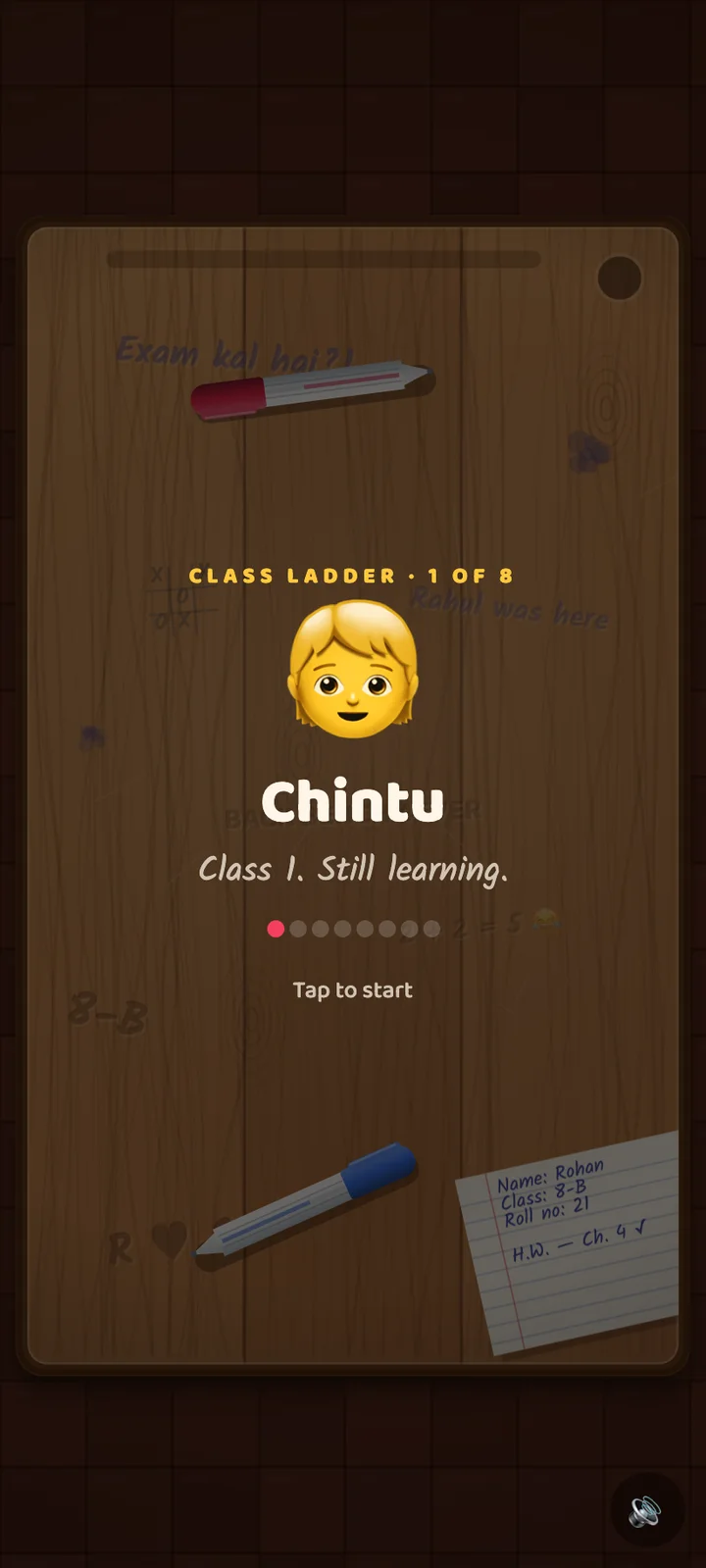
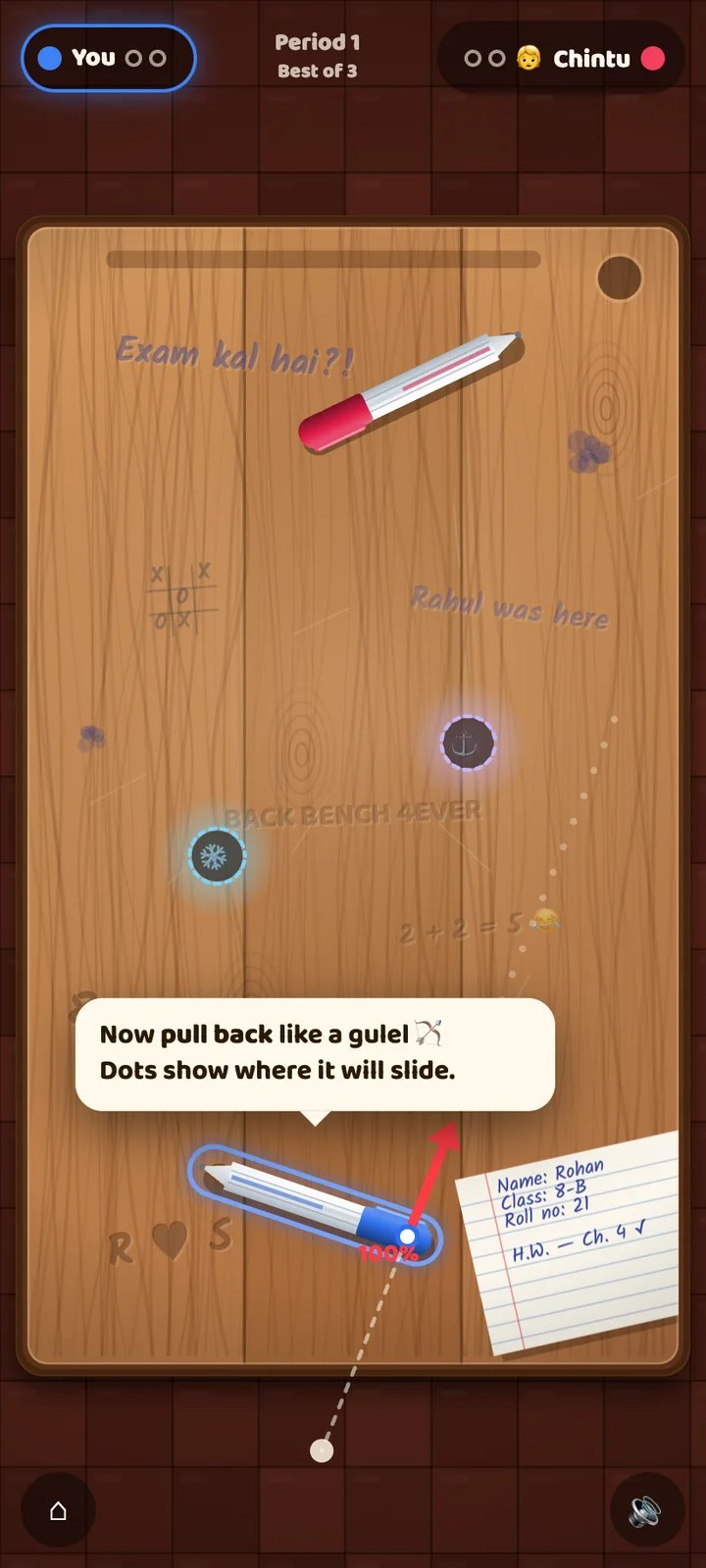
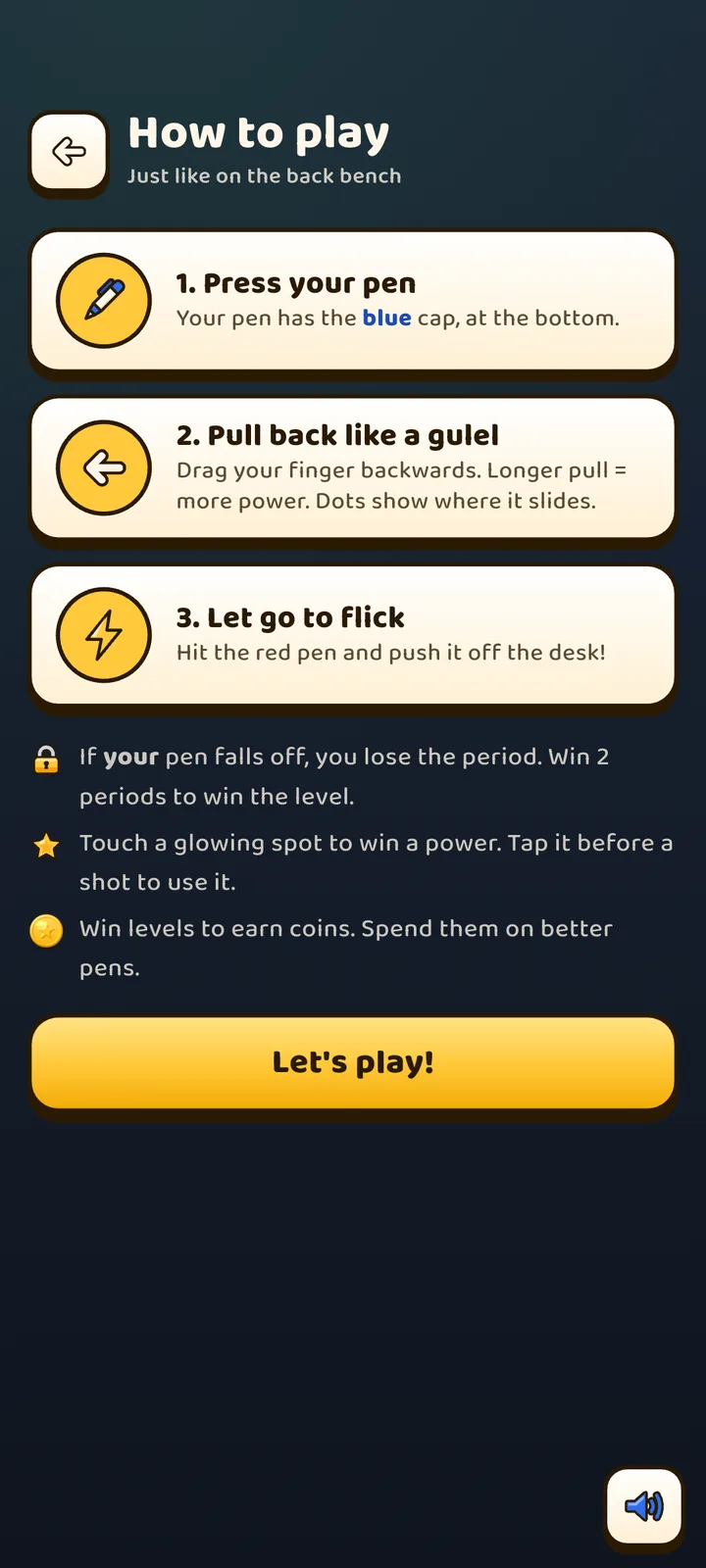
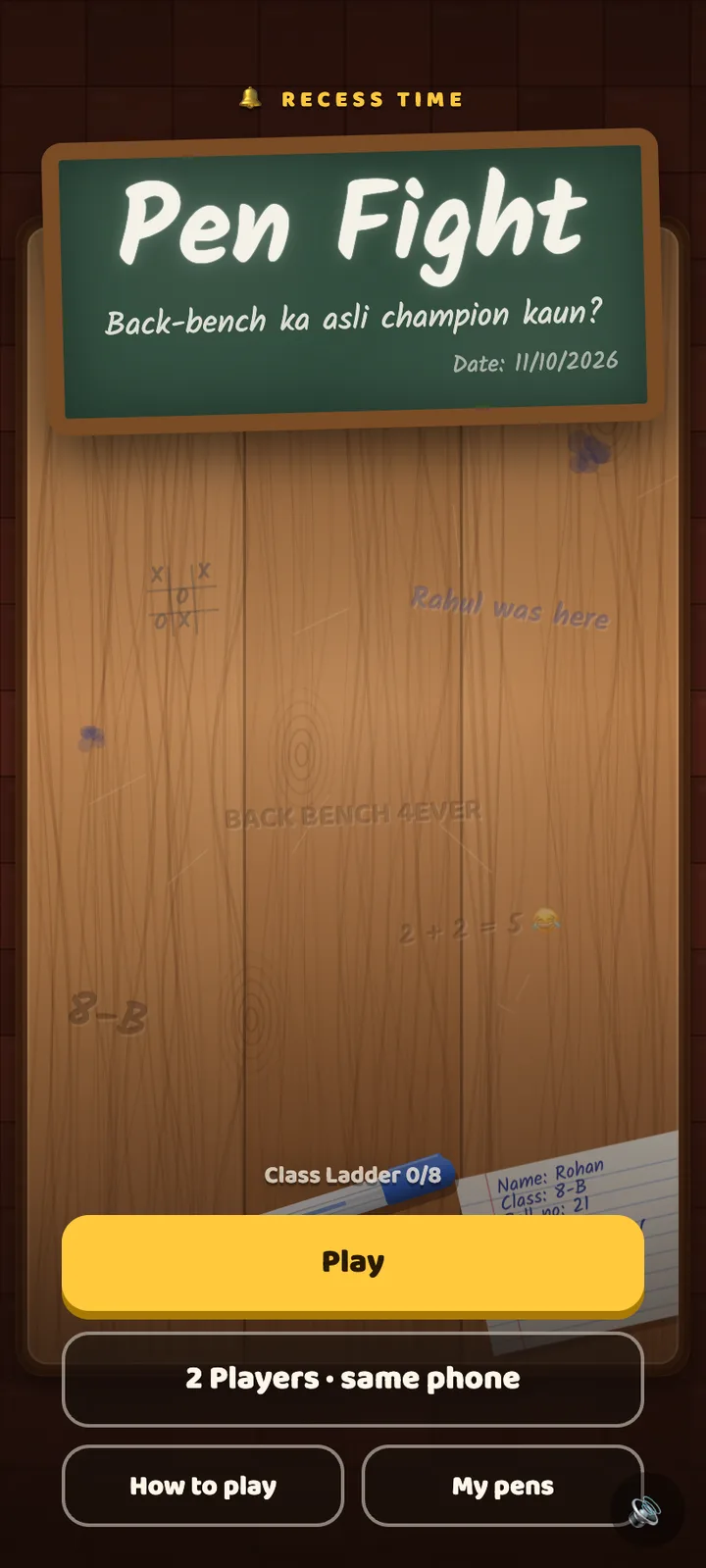
Five looks in about a day.
Every round started with something I saw while playing, or something a tester said.
A ladder, a coach and a nostalgia pass
The three testers' gaps became three systems: 8 classmates to beat, a first-match coach, and school words, sounds and doodles everywhere.
Learned: Feedback works best turned into systems, not tweaks.
A premium look, benchmarked
I judged the first app cheap and picked a benchmark: a well-known pool game. I shared a photo of a real school desk as the starting point. The research found the fix was art and feel, not the physics.
Learned: One bright desk inside a dark room. Gold only for rewards.
Classrooms, coins, pens and names
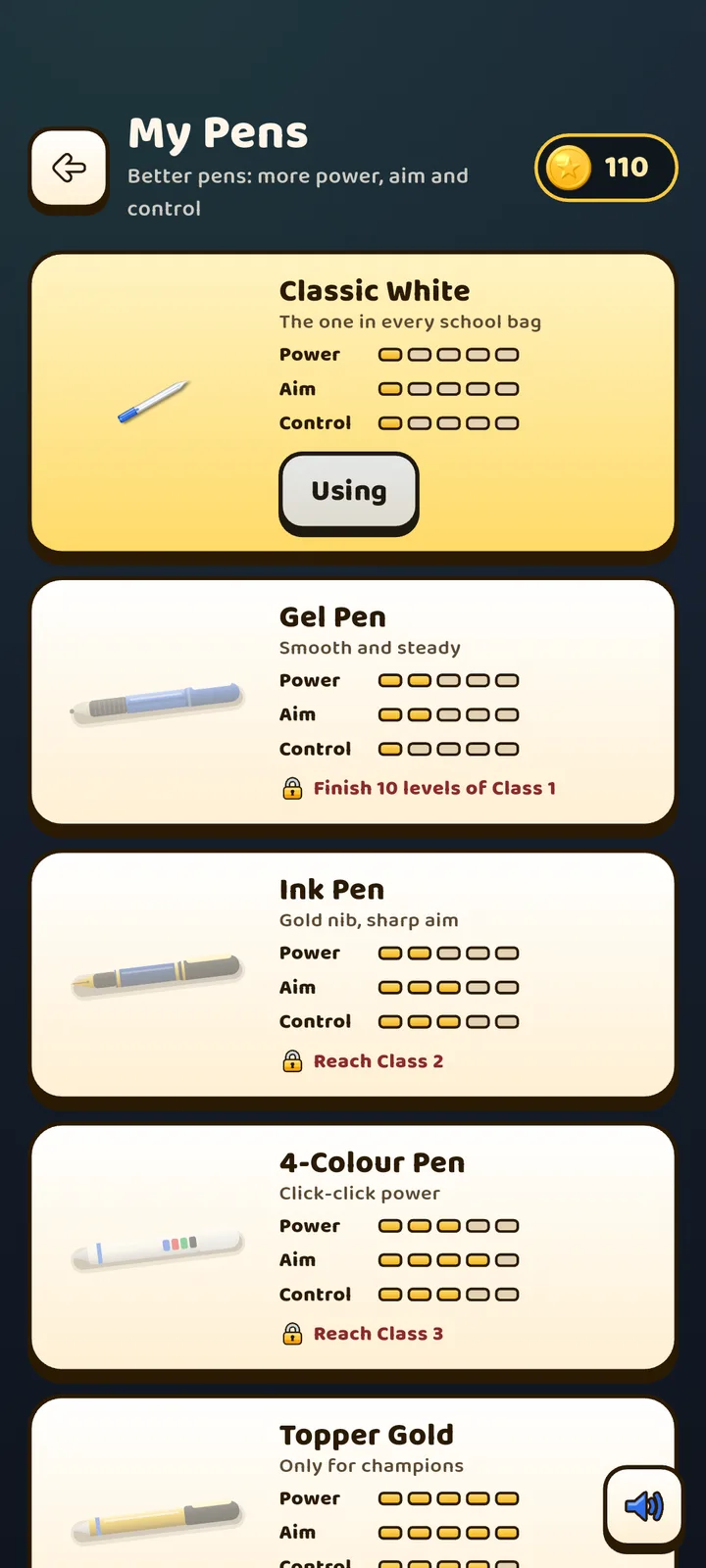
4 classrooms with 30 to 60 levels each. Coins only, earned and never sold. Pens that grow in power, like pool cues. Your name carved on your side of the bench. And classrooms named by school year, never by type of school, so nobody is looked down on.
Learned: Watch the AI's defaults for bias. Its first names turned a progression into a rich-school, poor-school ladder.
Gaps, names, a reason to come back
Space beside the desk so you see the pen fall. “ROHAN OUT!” instead of just “OUT”. A different bench every level, neon for the last classroom, a daily attendance reward, ranks and win tags.
Learned: Nostalgia gets the first minute. Fun keeps the next hour.
Then I asked: is this really Flutter?
To reach the store fast, the first app was the HTML game inside a Flutter shell. I hadn't asked for that, so I questioned it.
We rebuilt it as a real Flutter app: about 2,000 lines ported and tested, before adding anything new.
Each step only after the one before was tested.
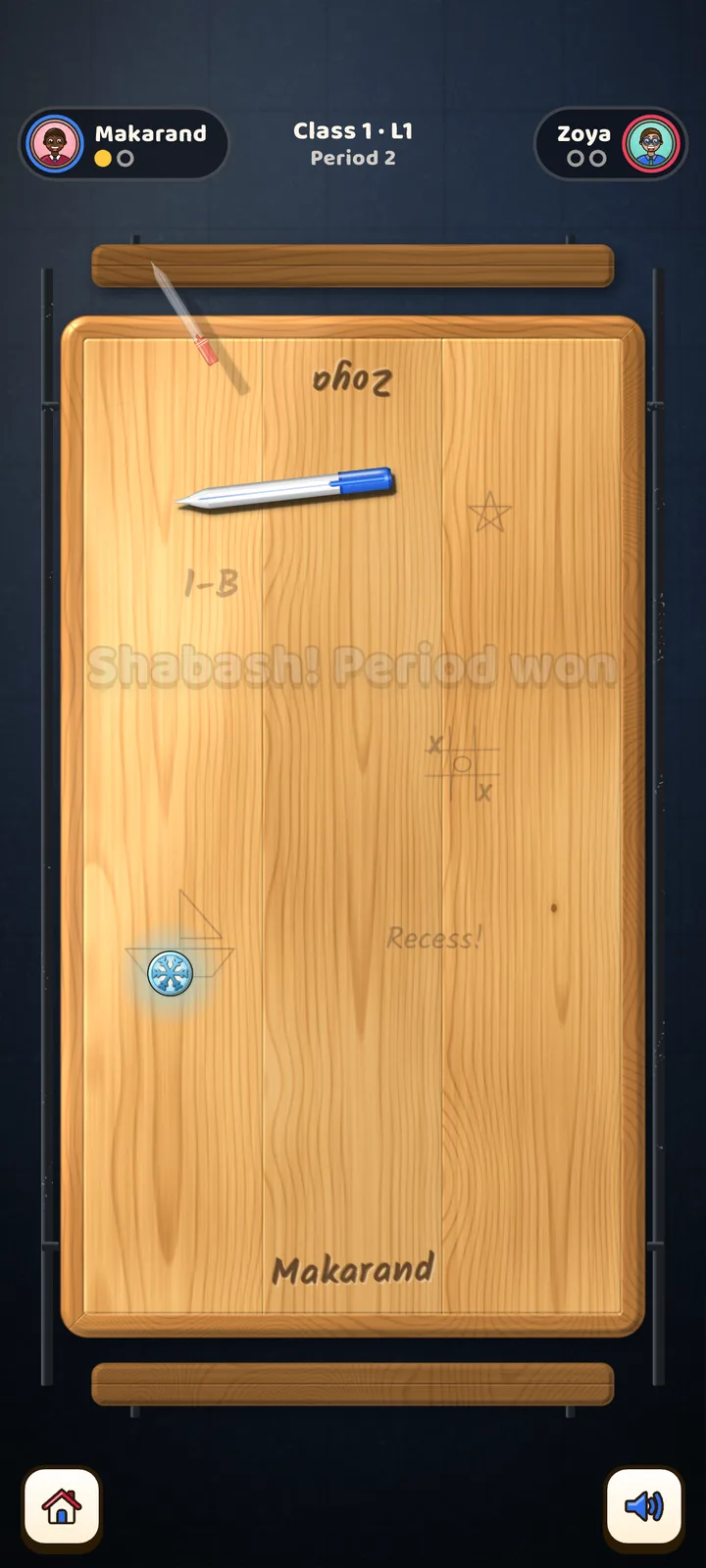
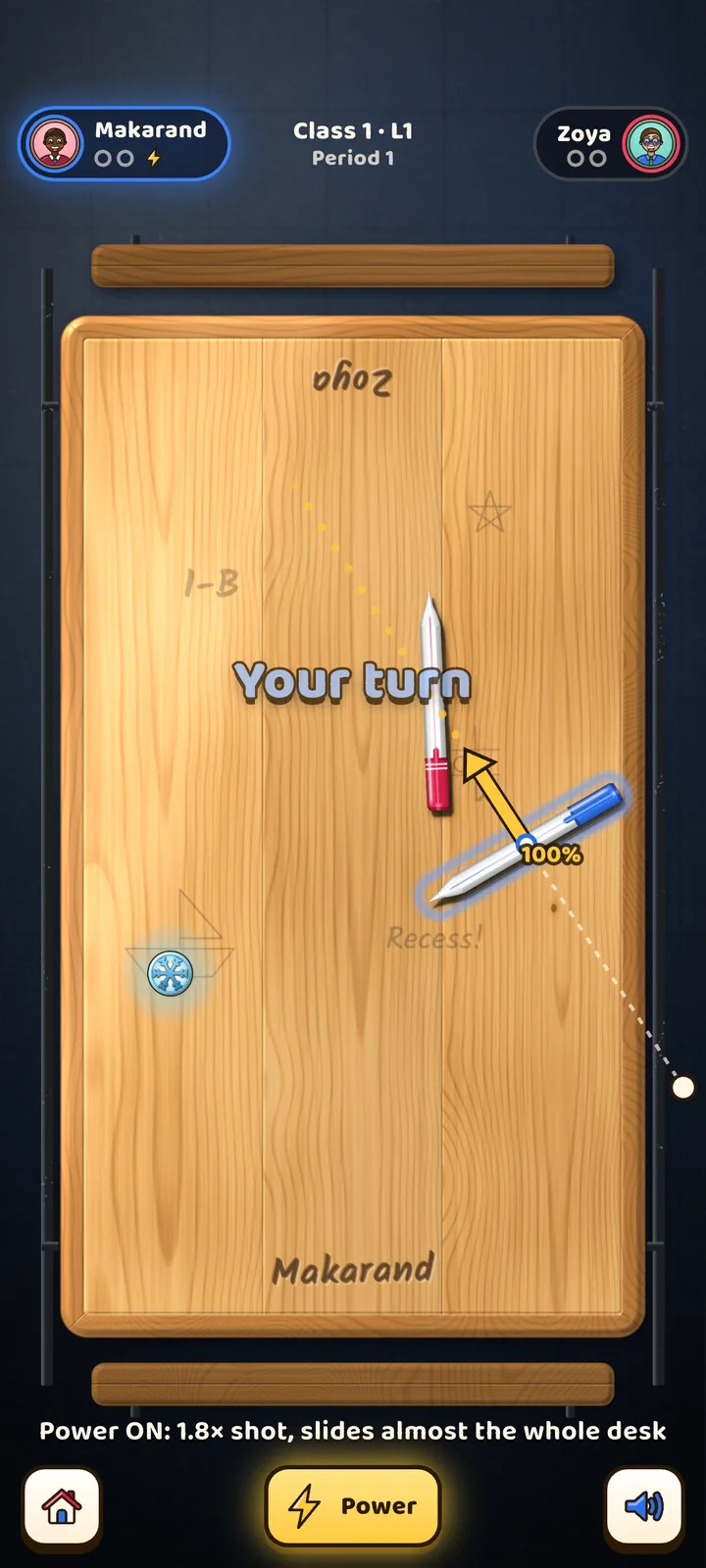 123456
- 1Period, not roundSchool words, everywhere.
- 2Pull back to aimA longer pull means more power.
- 3An honest aim lineThe dots end where the pen will stop.
- 4Power spotTouch it to collect Freeze or Power.
- 5Your name, carvedOn your side of the bench.
- 6Use it when you chooseTap to arm a power before a shot.
Then the original two-player game, across two phones.
The pen fight was always played with a friend. So the next step was a friend match online: no strangers, no chat, just a code.
Same desk, same physics, on both phones.
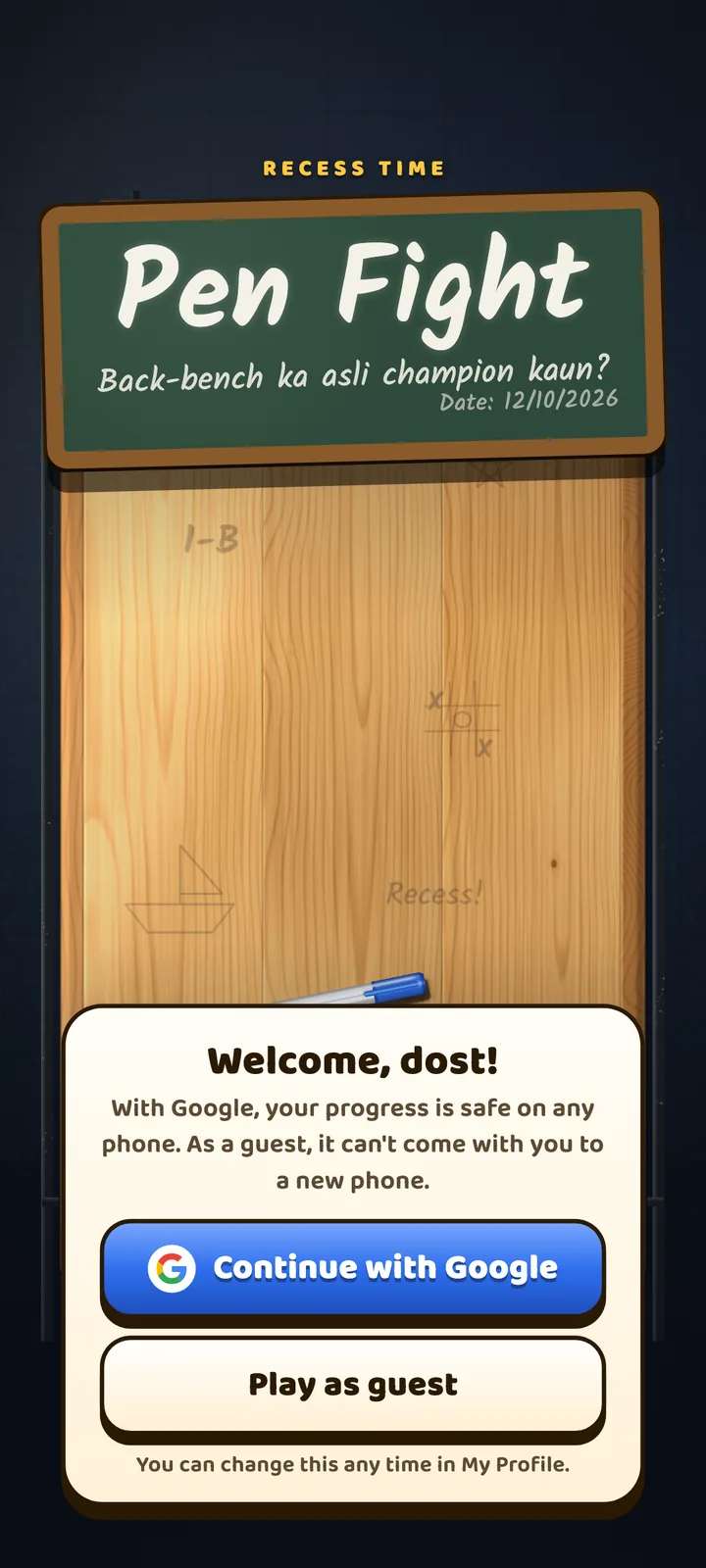
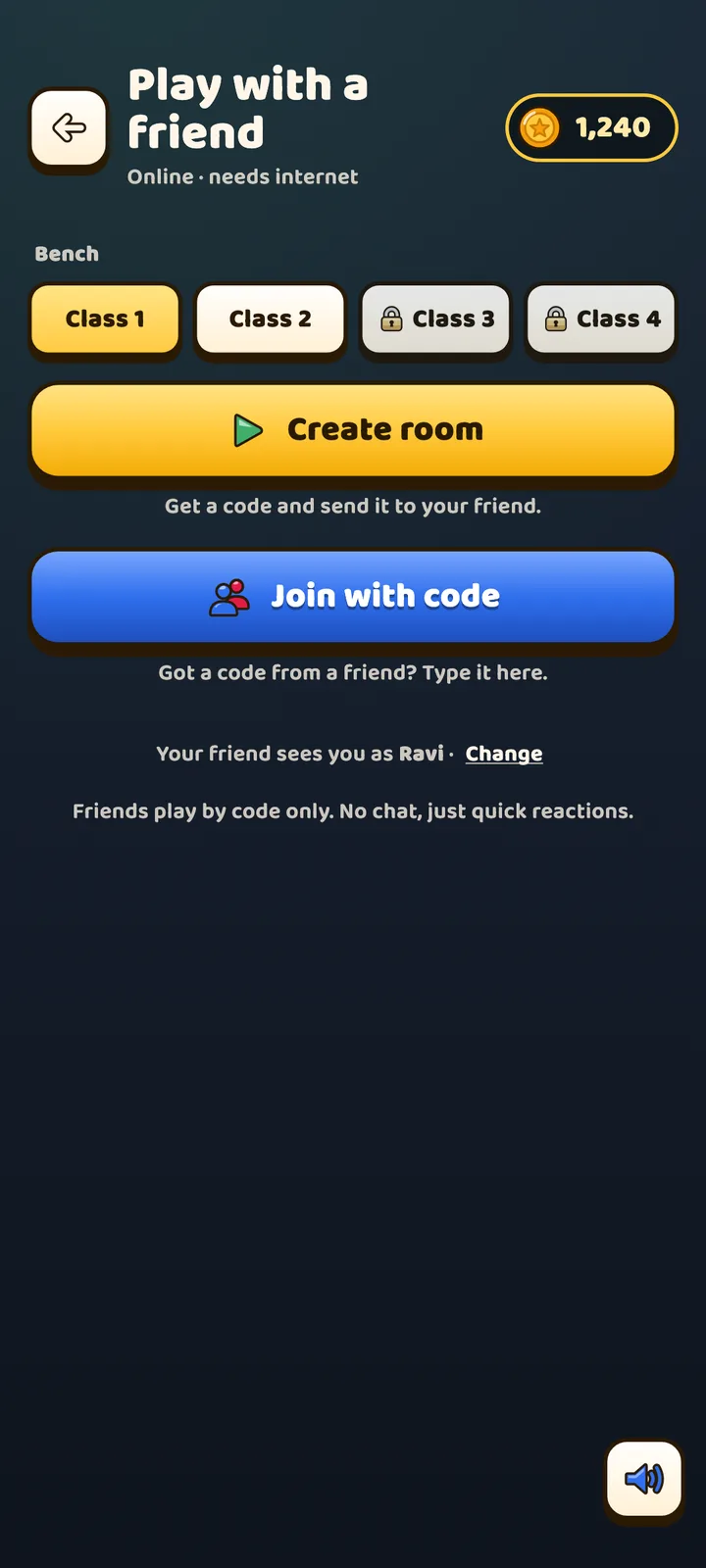
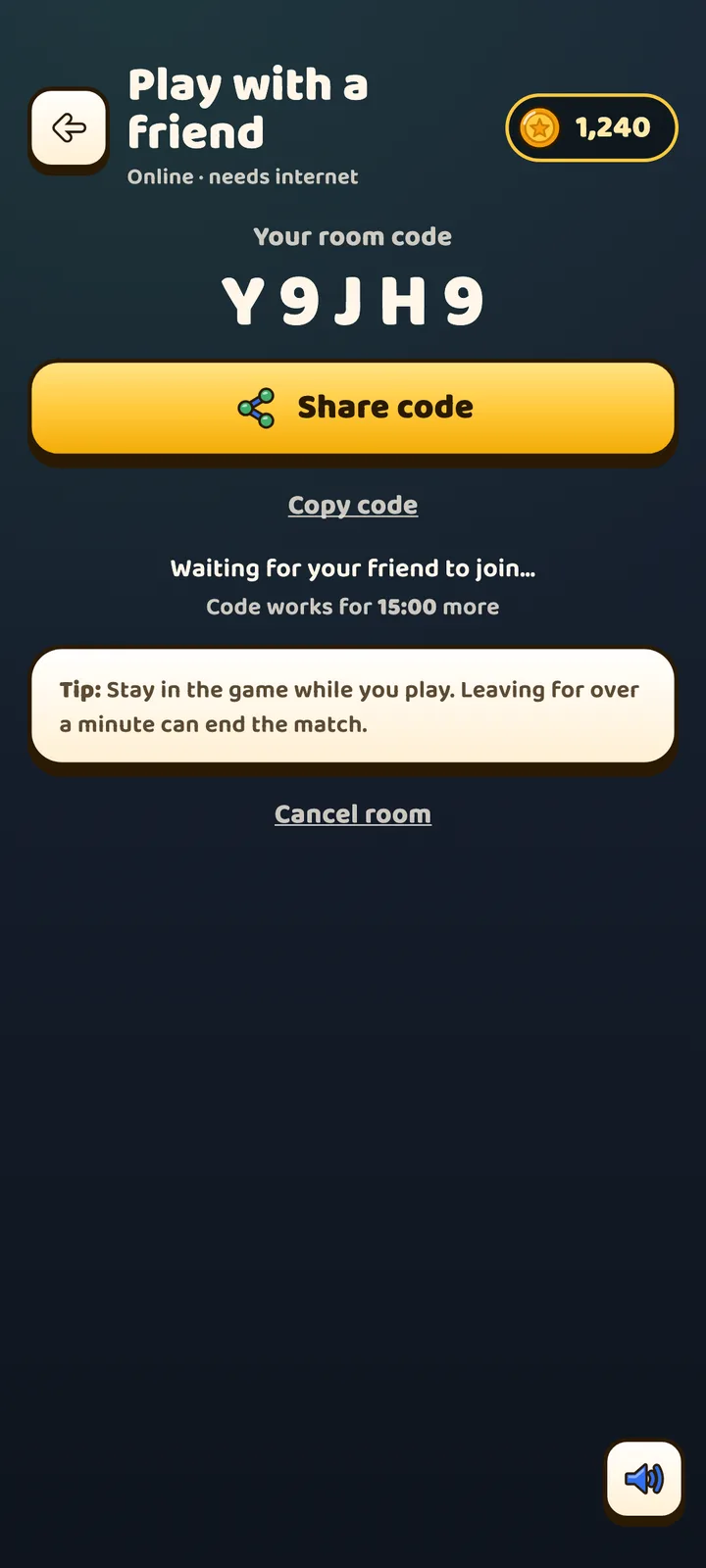
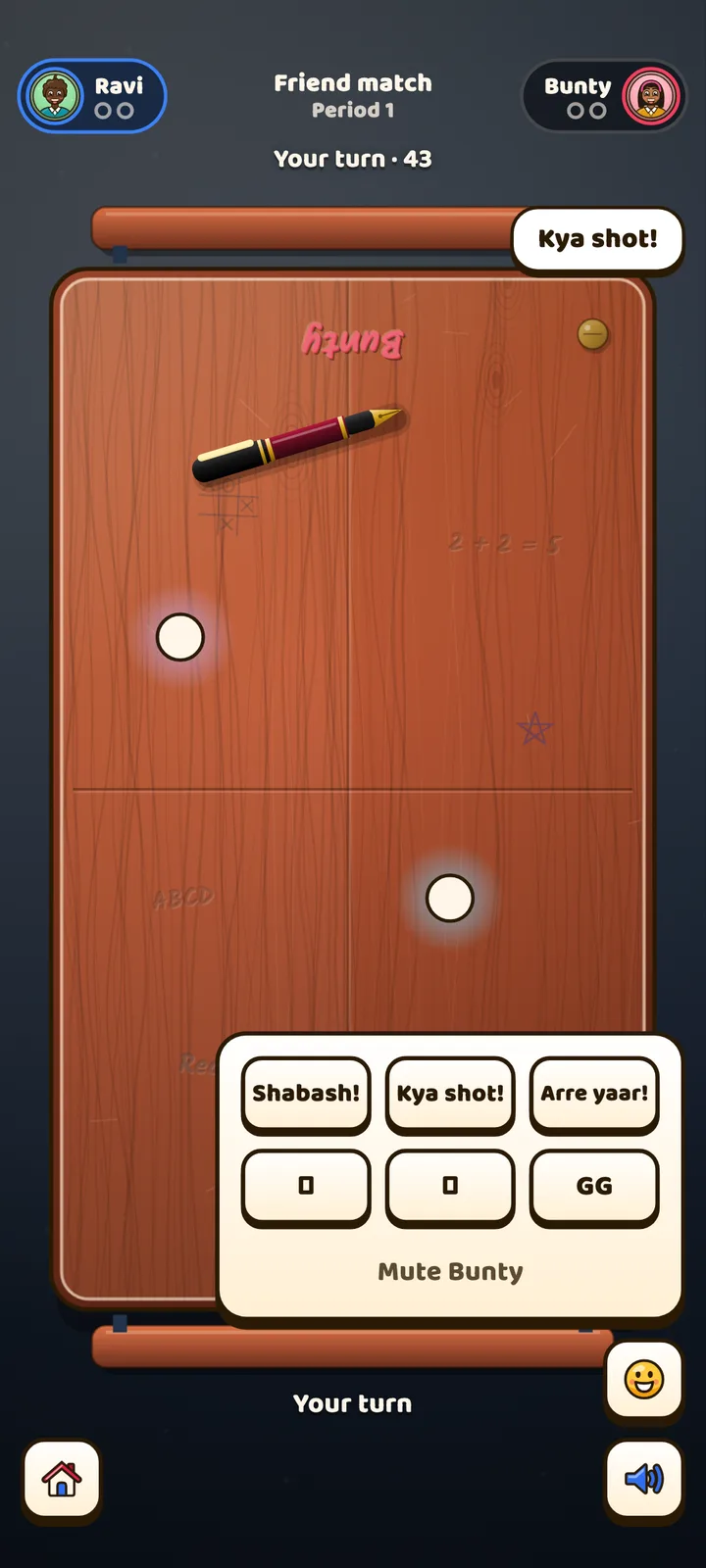
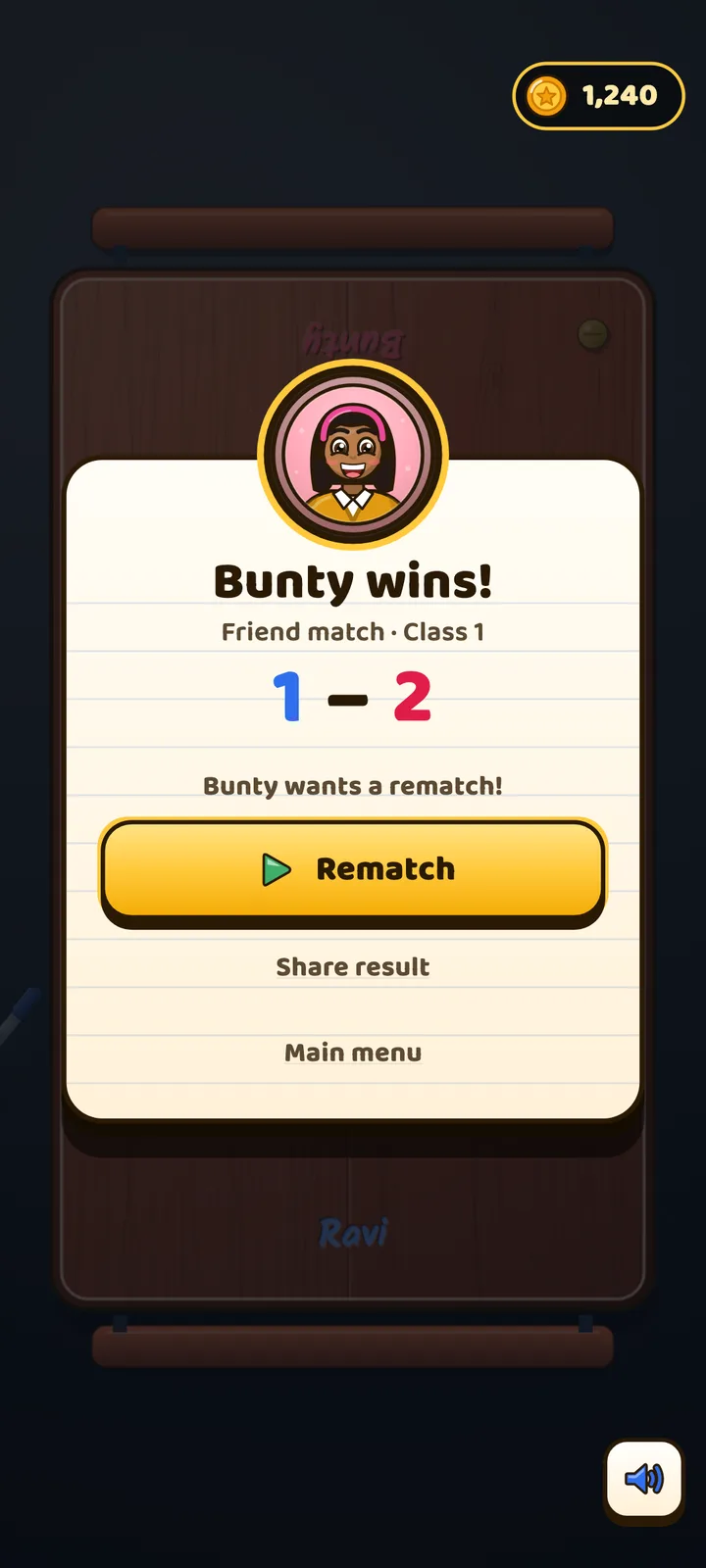
Play as a guest, or sign in with Google to keep progress on a new phone.
Six quick reactions like “Shabash!”. No typing, so nothing rude.
The leaderboard shows your name only if you turn it on.
Before Google Play: safety, privacy and a real crash.
A game with a school theme will reach young players. So the last days went into making it safe, not adding features.
A simple age screen at the start. Younger players get no online play and no ads.
Every issue it found was fixed before submitting.
A sound error on my own phone was caught by crash reports and fixed the same day.
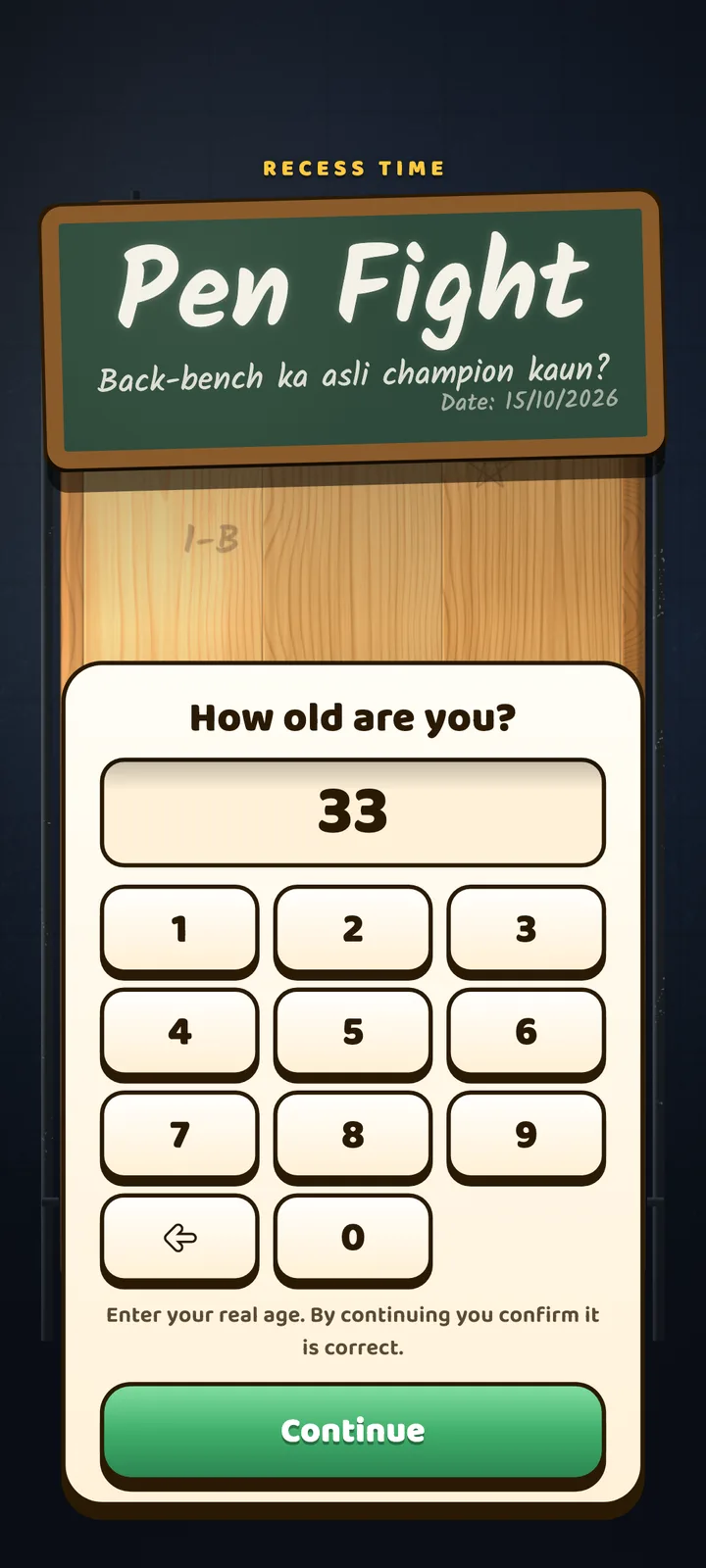
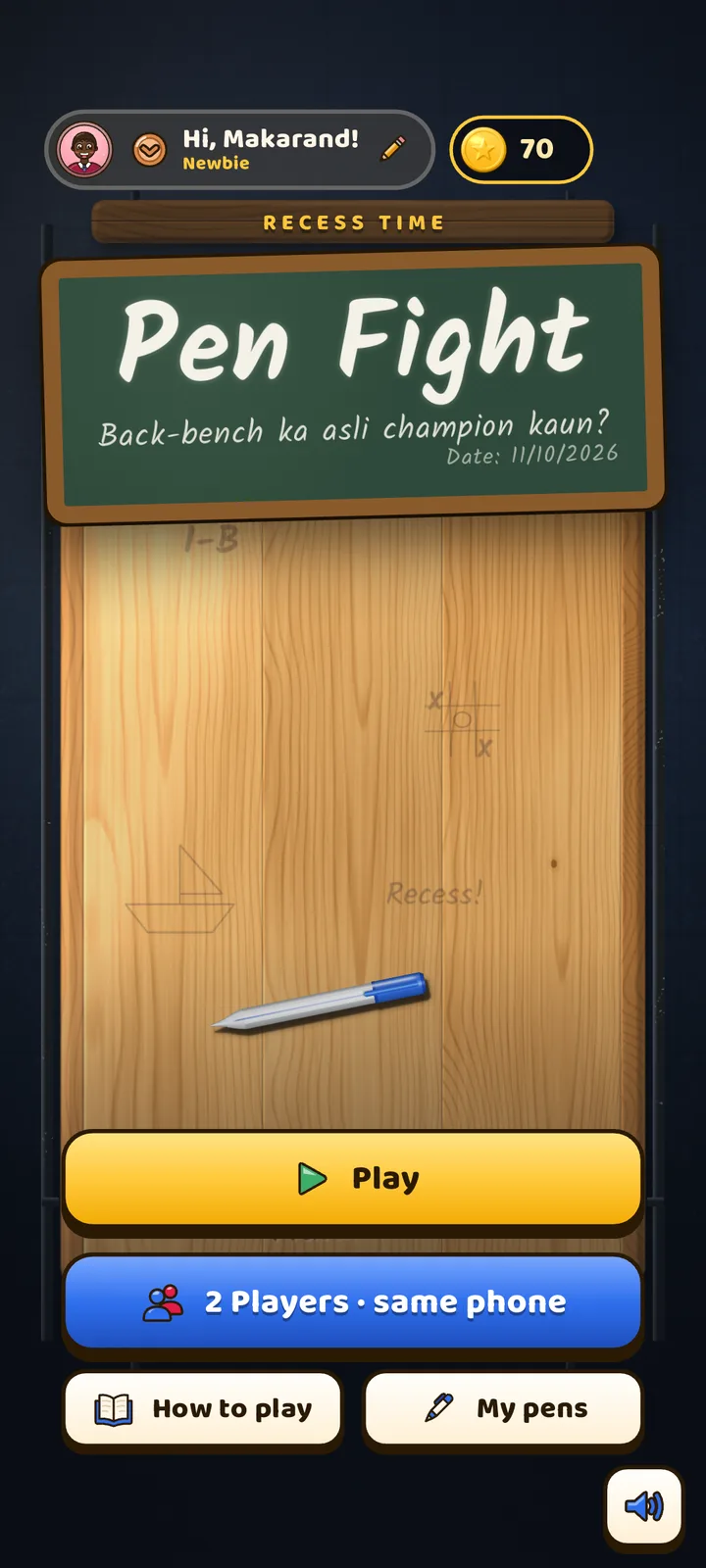
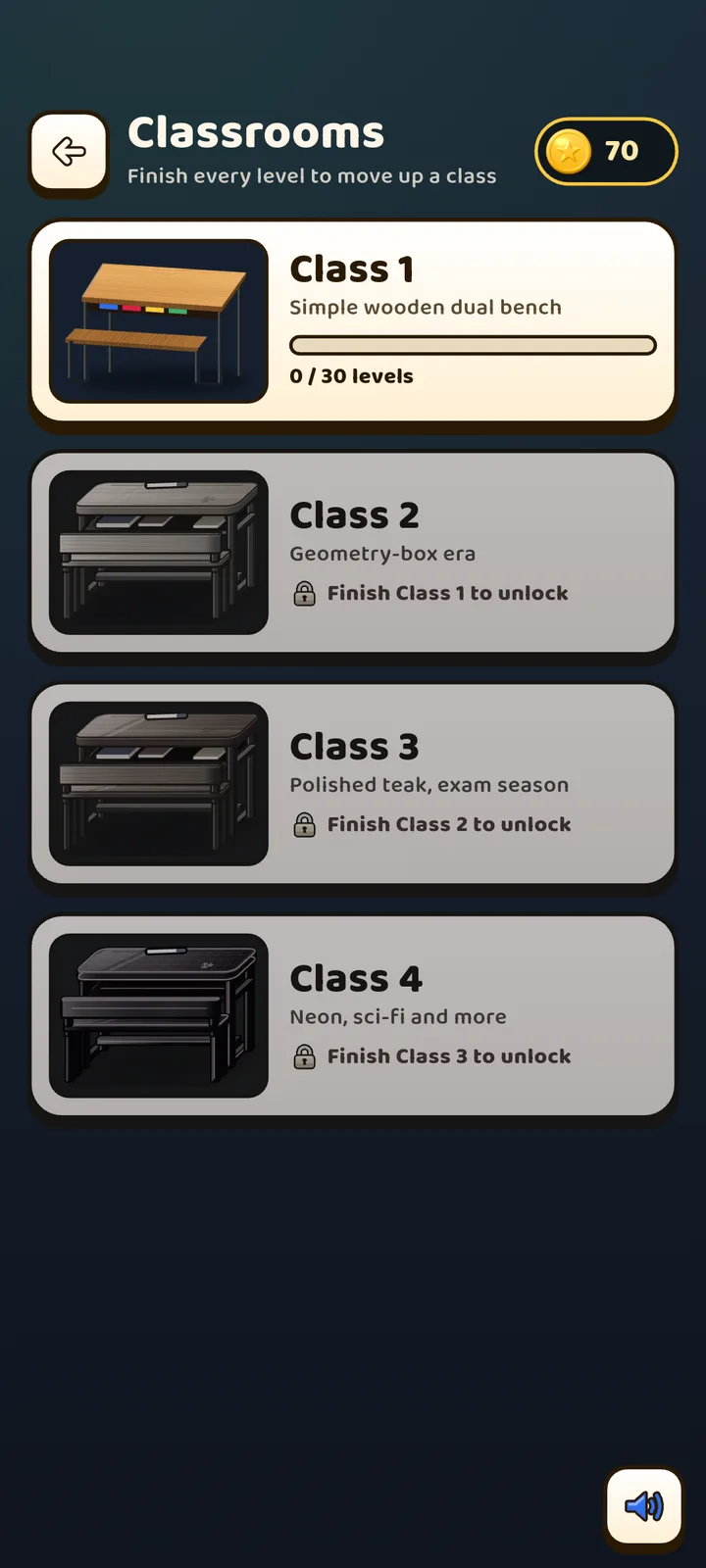
Submitted on 15 October. Approved on 16 October.
Now on Google Play, with players sending feedback every day.
The simulation found a fix. Playing it on my phone found the right one.
What I'd carry into the next one.
Play it, don't just read the numbers
The simulation measured the problem. Holding the phone found the fix.
Turn feedback into systems
Three comments became a ladder, a coach and a nostalgia pass, not three small patches.
Say the platform out loud
Asking “what is it really built in?” early would have saved a rebuild.
Ship safe, not just fast
The last two days went to safety and privacy. Google's review took one day.