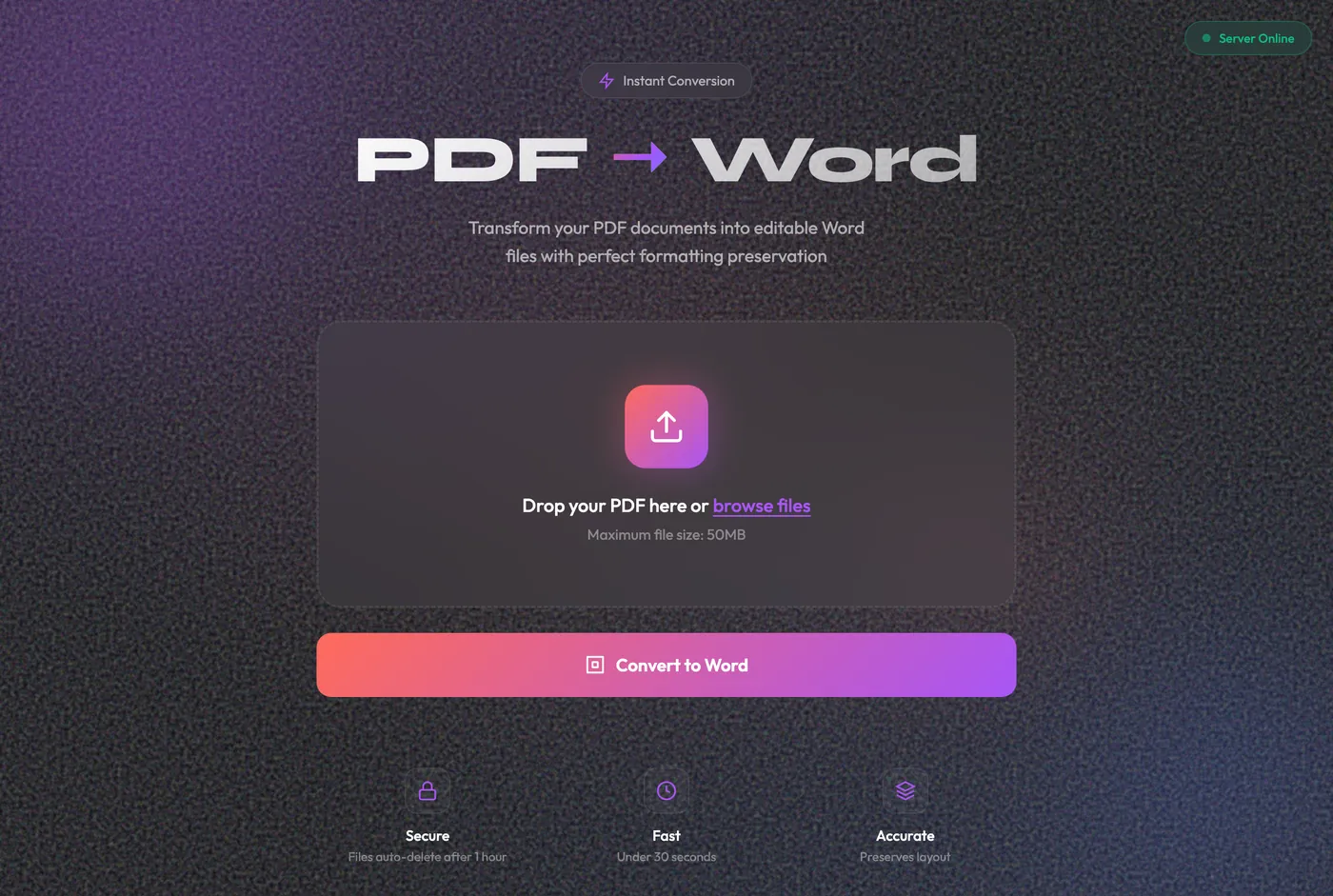
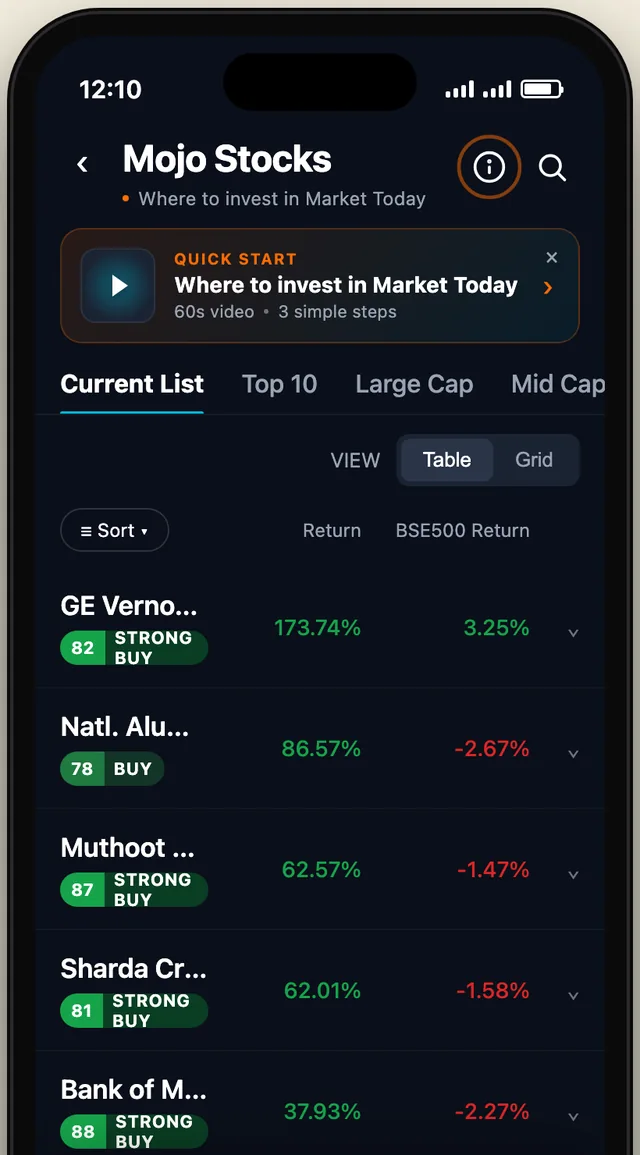
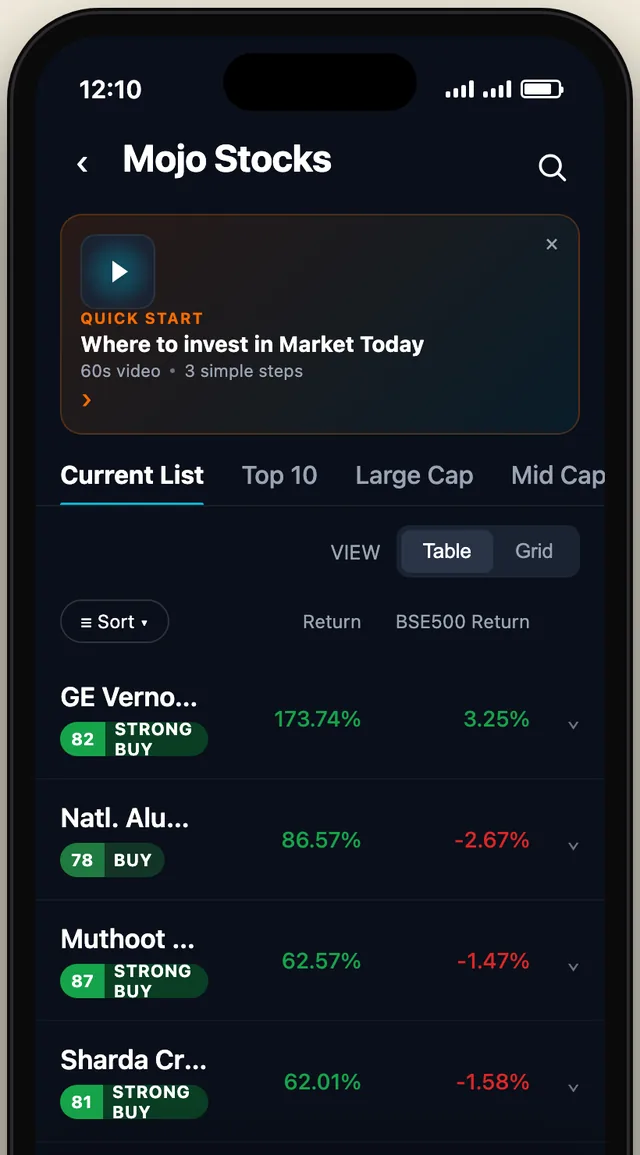
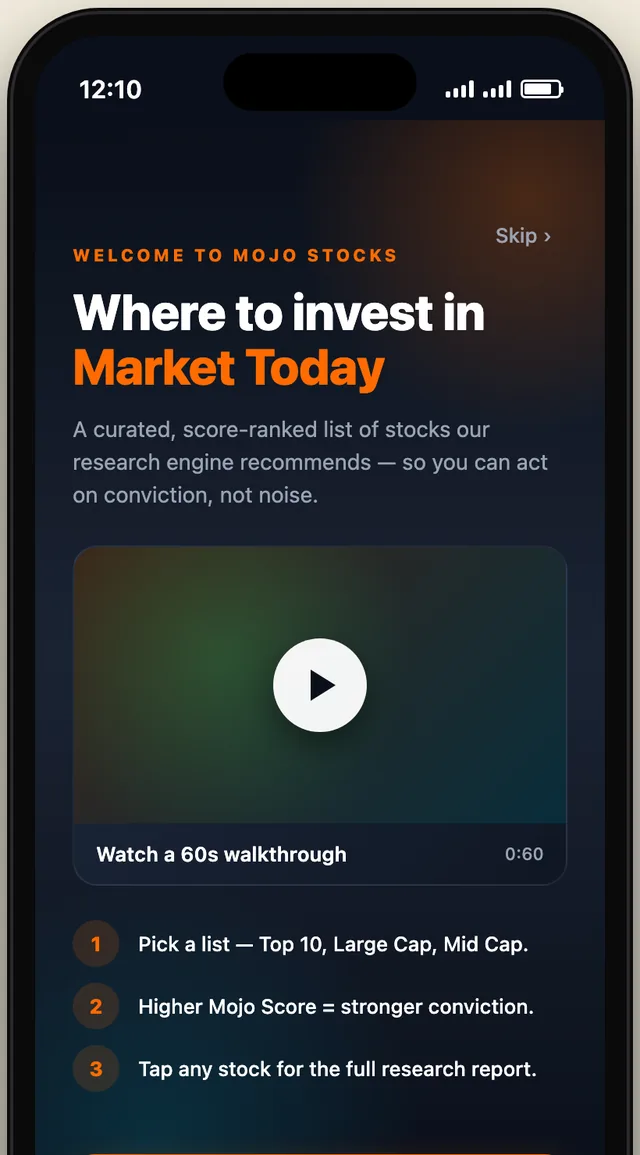
Gesture Fun Playground
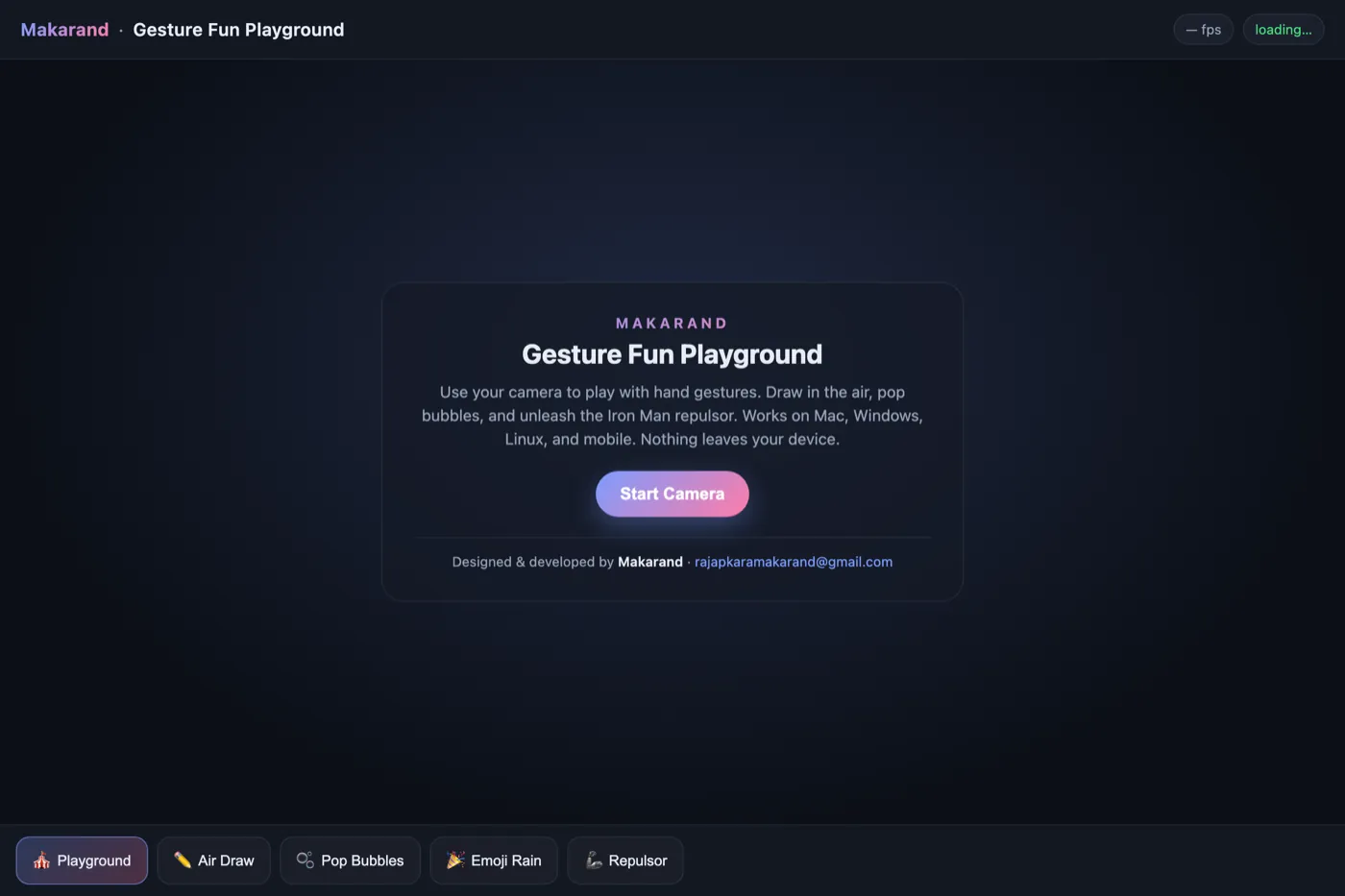
Your webcam as the controller — air-draw, pinch to pop bubbles, an Iron Man repulsor. Designing for an input with no buttons: the interface has to show the machine seeing you.
Twelve years of living inside real problems — finance, operations, business, everyday life. Now I turn what I noticed into working products: I design them, and I build them with AI.
I'm Makarand. I spent twelve years in finance before I moved into design — as an officer, a consultant, and running my own business. So I design for people I used to be.
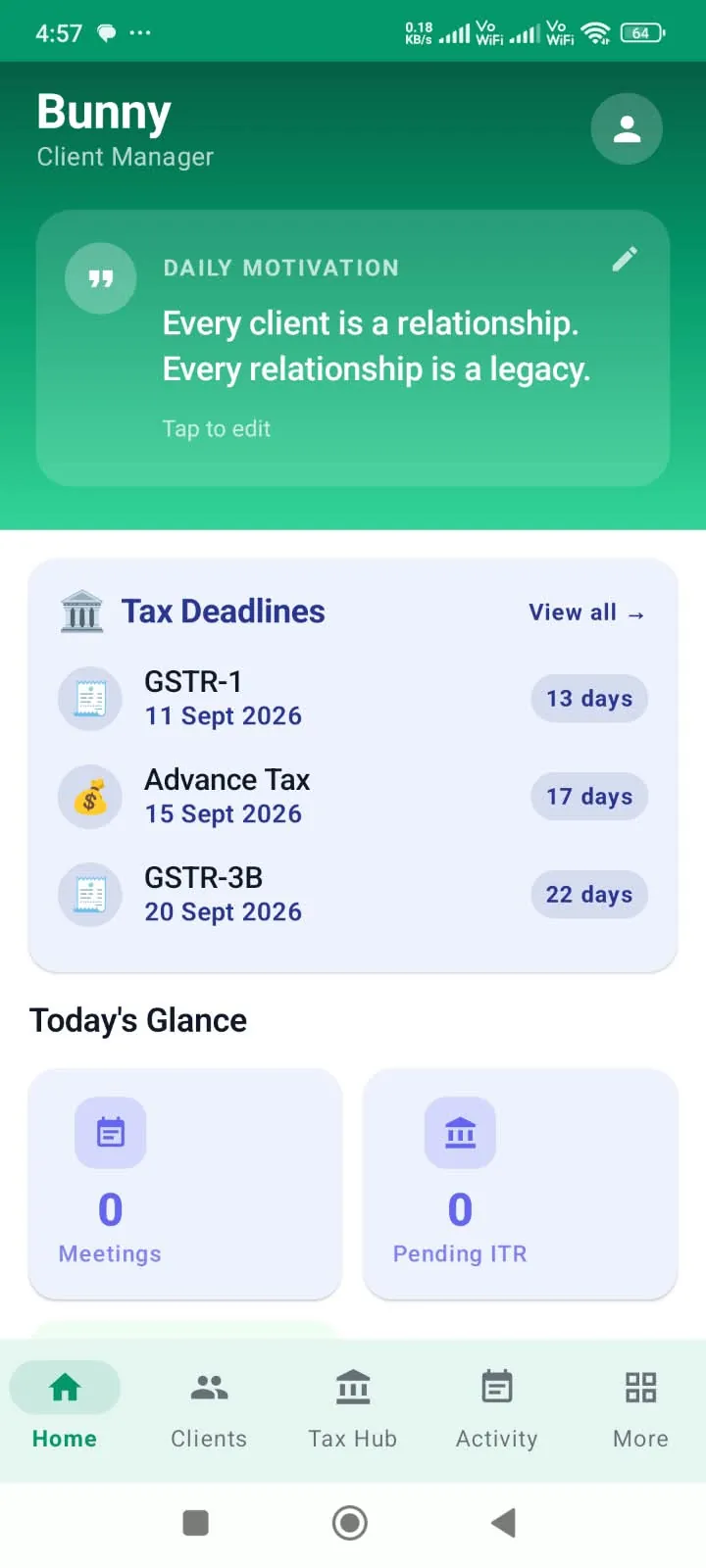
I'm in Mumbai. I work as a product designer at Markets Mojo, and I co-founded Bunny, an app for financial advisors. I make every design and product decision myself, and I direct AI to write the code — which is how a designer ends up shipping installable products instead of handing over screens.
It started early. At fourteen I wired an old CD player into a toy car, with no tutorial and nobody to ask. It didn't work the way I imagined — but I had built it, and I've been doing a version of that ever since.
Twelve years working inside the problems before I ever designed for them. I don't have to commission research to know where a process quietly hurts — I've felt it, and I can name the fix before the first workshop ends.
The hard part was never making a screen look good. It's judging what deserves to be built at all — weighing the user's real behaviour, the business goal, and what's actually feasible, then choosing.
An idea I can't build is an idea I can't test. AI is how I close that gap — I direct it, review every decision, and ship installable products instead of static mockups. This page is one of them.
Pick a problem. The console below replays how it actually went — what I recognised from experience, the decision that followed, and what got built. No slide deck, no black box.
One flagship platform, then the range around it — voice, gesture, mobile, systems, regional language. The subject changes; the way I get there doesn't.
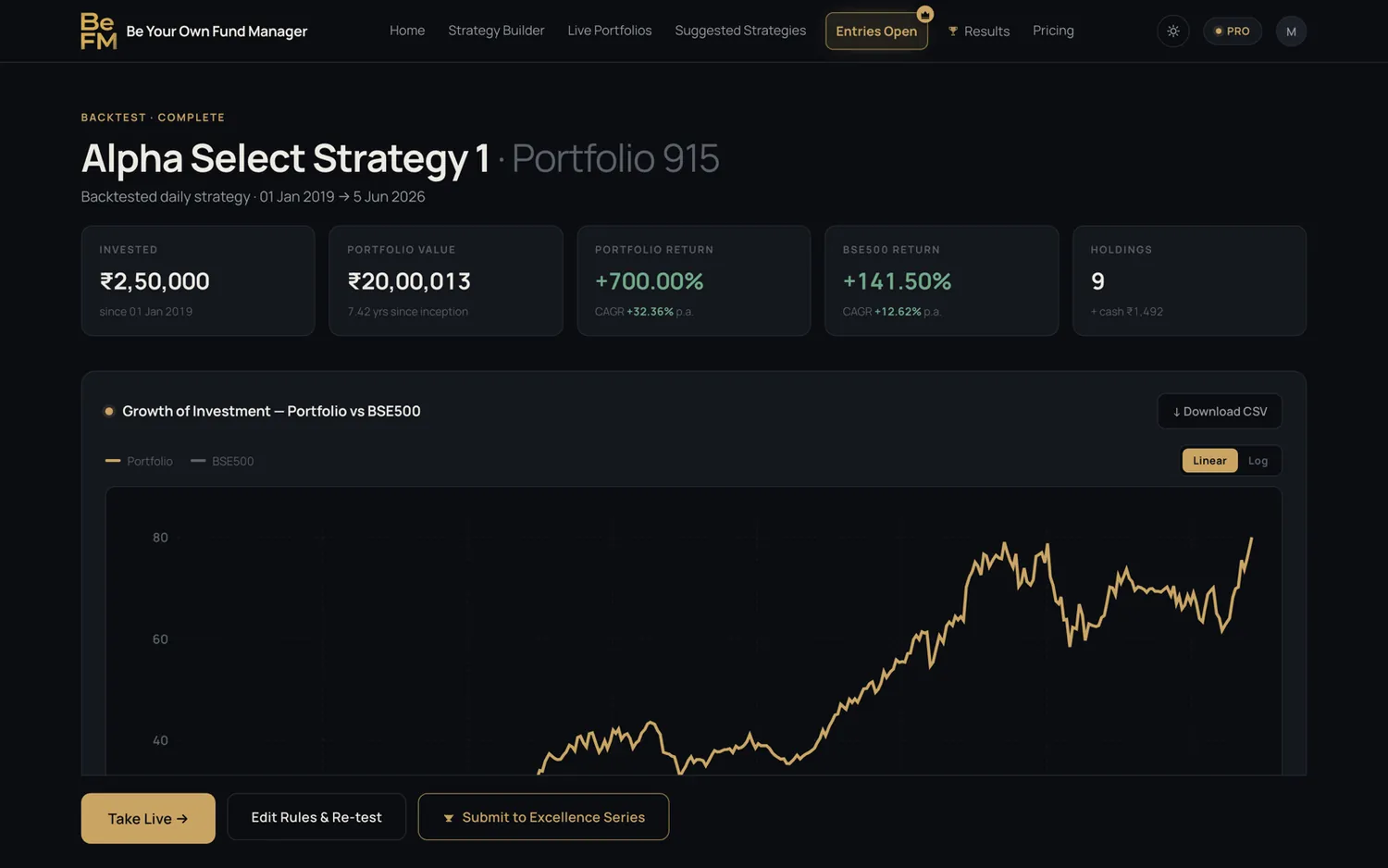
Build a strategy from your own rules, test it against ten years of history, then take it live. Designed and built as one working prototype — and it sold the product before a line of production code existed.
Not products — single HTML files that test one interaction idea. Download either one, double-click it, and it runs offline.
Your webcam as the controller — air-draw, pinch to pop bubbles, an Iron Man repulsor. Designing for an input with no buttons: the interface has to show the machine seeing you.
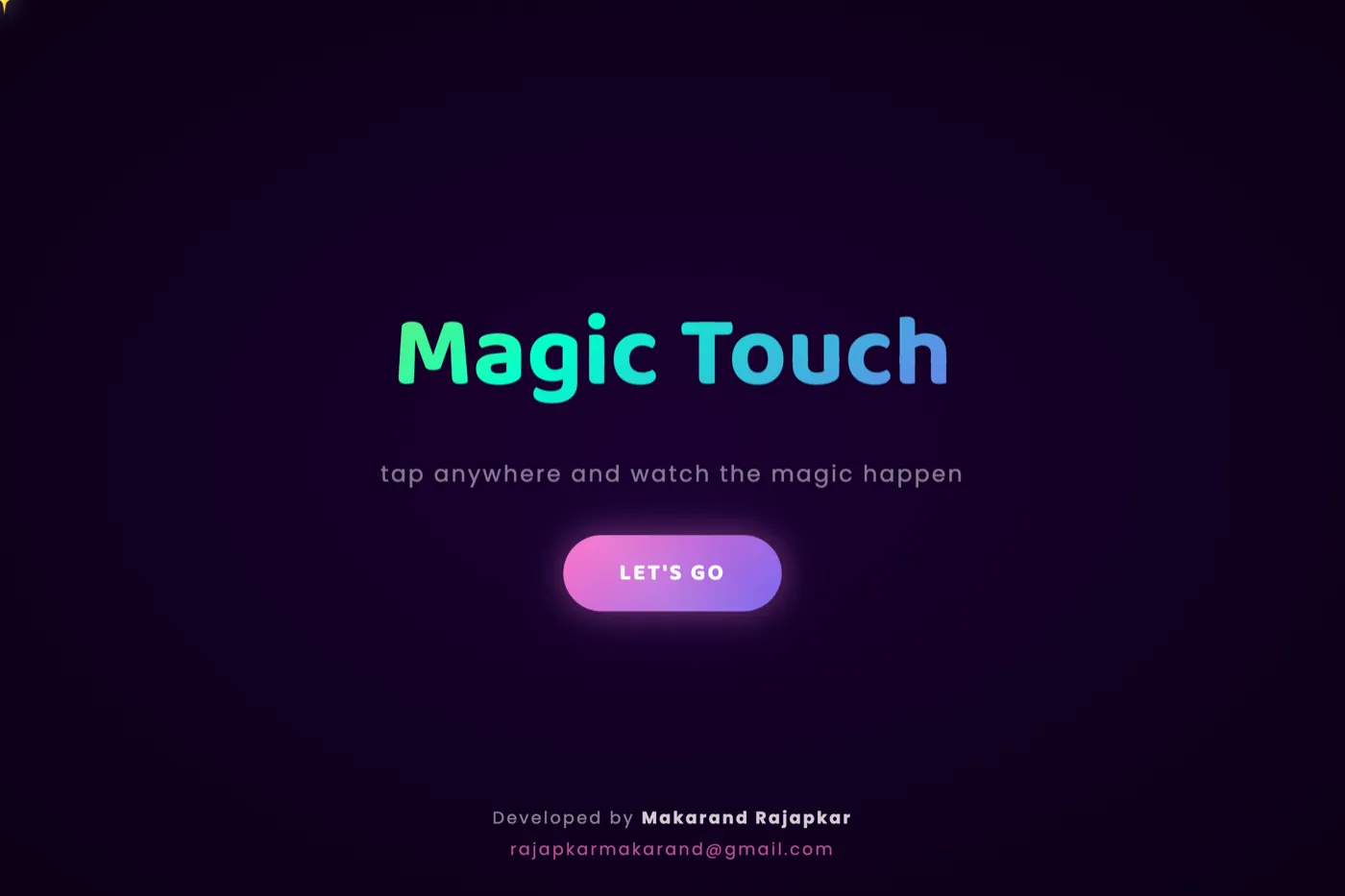
Tap anywhere and something bursts. Built for a child who cannot read yet — so every rule is learned by touching once, and nothing punishes them.
I'm most useful early — when someone still has to decide what to build, not just how it should look.
Start a conversation →